Wednesday, April 12, 2017

The Top Hydroelectric Dams In The World

With all the water in the world, one would think that harnessing its power would be a given. However, it was only recently that the great big hydroelectric dams were built. But what structures they turned out to be. Let’s take a look at the largest hydroelectric dams ever built.

Image source: Wikipedia.com

Three Gorges Dam


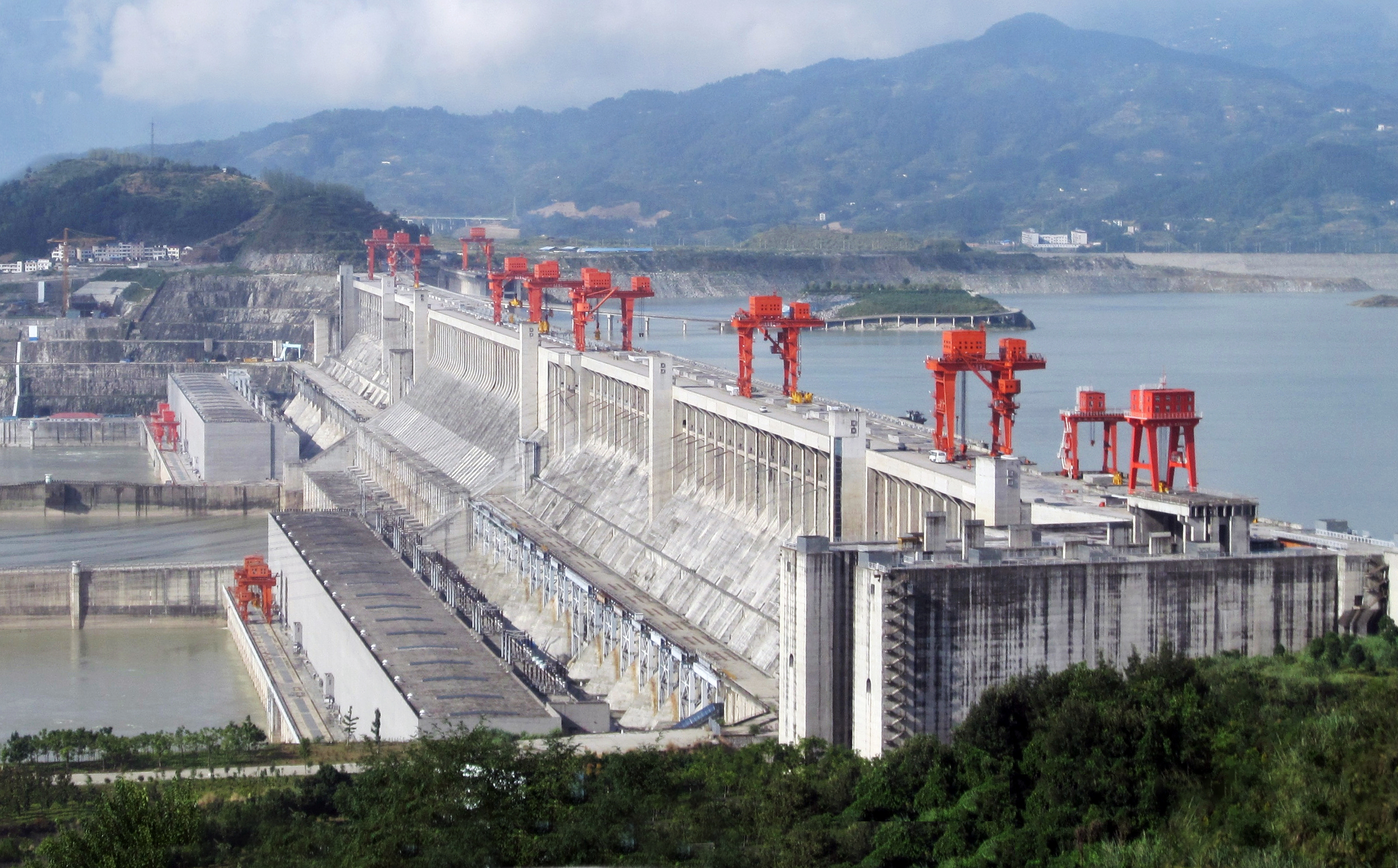
This is the king of dams. The Three Gorges Dam of China is one of the most impressive feats of engineering in the history of mankind. It is both the largest hydroelectric dam on the planet, as well as the largest power plant ever created by human hands. It can give off more than 22,000 megawatts, taken from the mighty Yangtze River. The Three Gorges Dam set a record in 2014 by generating 98.8 TWh.

Image source: Wikipedia.com


Itaipu Dam


On the other side of the world, located along the border of Brazil and Paraguay lies the Itaipu Dam. This is the second-largest dam on Earth. Constructed along the Parana River by the governments of both Brazil and Paraguay, this structure is so massive that only the Three Gorges Dam is bigger. The power generated by Itaipu Dam gives Paraguay 75 percent of its electricity, and Brazil, 17 percent. Those are huge numbers by all accounts.


Janique Goffis a dedicated and determined environmentalist. Learn more about environmental issues by subscribing to this Twitter account.

Friday, March 17, 2017

Novel Researches Emphasize The Need To Revisit Existing Solution Models For Climate Change

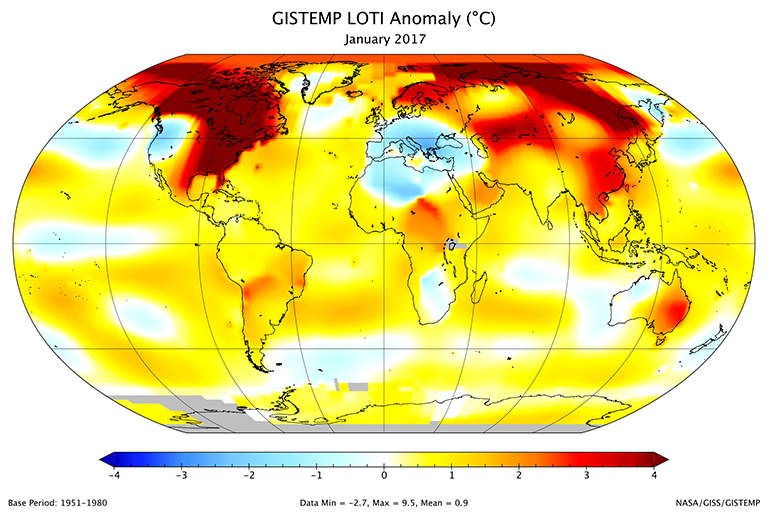
A couple of newfangled studies highlight glitches in the shared solution models hatched by scientists to address climate change, stressing the worse adverse impact these may bear on planet Earth’s inhabitants.

Image source: NASA.gov

In its published research conducted by an international panel of experts, United Kingdom-based University of Exeter claims that the cultural dimensions of climate change have not been considerably factored in by myriad scientists in the formulation of prototypes to address this global environmental threat. The study avers that community traditions, mores and values are key elements through which the climate change concept can effectively seep into peoples’ psyche and motivate them into action and pro-active responses. Common practices for survival enjoin members of the society to adhere with one another, as well as with their habitats and sources of living. Thus, likewise, they most likely act in unison to surmount any threat or imminent peril to anything that matters most to them. Their control over their emotional well-being is vital and determines where they prefer to settle, thus motivates them to make their futures more sustainable. These psychological variables, the researchers claim, have been overlooked by scientists in the formulated plans to adapt physical spaces to the changing environment.

Image source: NASA.gov

A related analytical inquiry by an international team of distinguished scientists, including five members of the National Academies, demonstrates that crucial features are lacking in the current models used as bases for environmental, climate, and economic policies. The paper, which appeared in the National Science Review, contends that contemporary calculations of the impact of climate change overlook socio-economic and demographic variables such as increase in resource use, alterations in land use patterns, population control, inequality, economic growth and migration. The article points out the importance of planet-human system interaction, as this spells out the dominance of human beings in effecting changes in most of the Earth's natural constitution, which, in turn bounce back to influence and alter peoples’ development.
Tags: climate change

A Business Development Manager from San Diego, Janique Goff is a dedicated advocate of the environment. She continues to promote the conservation of natural resources and eco-friendly alternatives for consumer products. For more eco-news, visit this Twitter page.

Tuesday, August 23, 2016

Green Technologies Must Be Made Affordable To Average Households

There have been myriad global initiatives to dramatically reduce the alarming carbon footprint in the atmosphere, deemed as the main culprit in climate change and unfettered global warming. Unfortunately, these international scale crusades are bereft of definitive action-oriented strategies easily comprehended and implemented at the micro level. It is crucial for global policy makers to realize that the big percentage of fossil fuel emissions emanates from the gargantuan household population worldwide, and not from the gigantic commercial manufacturing plants, which most likely have instituted means of compliance to environmental protocols.

http://cdn.moneycrashers.com/wp-content/uploads/2011/04/home-insulation.jpg
 Image source: Moneycrashers.com

The 9.795 gigatonnes of global carbon emissions, per 2014 records, are from fossil fuel consumption by households which rely on coal, oil and natural gas every day for their survival activities such as cooking, air conditioning facilities and illumining their dwellings, to fancy stuff such as celebrations or unnecessary engagements like computer gaming.

If every household would just exert tremendous effort to lower energy consumption, the big load of carbon dioxide in the troposphere would not seem a mammoth Damocles sword threatening to smash the earth.

http://cdn.moneycrashers.com/wp-content/uploads/2011/04/rainwater-harvesting-system.jpg
 Image source: Moneycrashers.com

There have been green technologies introduced to address contemporary clamor by environment advocates. Among these are the use of solar panels or photovoltaic cells, installation of home wind generators or installation of energy efficient double pane windows to prevent a great deal of heat loss. Another is the use of window insulator kits.

Accessible these efficient scientific mechanisms maybe, the big hurdle is whether the costs are affordable to average household economies. Crammed with numerous expenses in their annual family budgets, could they squeeze in the cost of a typical solar array that comes in at around $30,000, or wind generators that can cost up to $45,000. Around $6,000 would be needed to install double pane windows for a 10-window home.

International organizations in the forefront of battling greenhouse gases emissions should collaborate with banking institutions that could offer special lending windows to common households to afford these fossil fuel reduction technologies.

San Diego, CA-based Janique Goff is a supporter of environment-friendly technologies. As a business development manager, she has represented countless engineers and scientists in launching their environmental ideas. For more insights, follow her on Twitter.

Wednesday, July 27, 2016

H2O: How To Conserve Water In The Office

The earth is made up of about 71% water but that is no reason to take this resource for granted. It is still important to conserve water at home and in the office. Here are some ways to keep water usage low.

http://aquaplumbingga.com/wp-content/uploads/2016/02/water-heater-replacement-repair-alpharetta.jpg
Image source: aquaplumbingga.com

Get a water audit

Hire a professional auditor to monitor water usage for your office or building. In this way, you can clearly define the trouble areas or saving opportunities. This is the first step to water conservation and can serve as a benchmark to see your company's progress.

Buy and install water efficient equipment and fixtures

Perhaps it is time to upgrade your equipment and fixtures like heavy machinery (especially those that use water cooling systems) or toilets. The newer ones tend to be more water efficient and therefore the investment on upgrades can even be cost efficient in the long term.

http://studiosixbranding.com/prod/wp-content/uploads/2014/07/water_top.jpg
 Image source: studiosixbranding.com

Detect and fix leaks

Leaks can cause unnecessary waste of water. A good way to conserve water is to constantly check for leaks. Replacing or fixing any leaking pipes, equipment or fixtures is one of the easiest ways to conserve water.

Spread awareness to employees

A good way to promote water conservation is by increasing awareness regarding the issue. By educating your employees on proper water usage and conservation tips, you may end up with lower water consumption as well as a good CSR image for your consumers.

Hey there, I'm Janique Goff. Like my Facebook page for more information on Corporate Social Responsibility and other related topics.

Wednesday, June 15, 2016

The Search for Cruelty-free, eco-friendly Makeup

The beauty industry may have been successful for decades, but there’s an ugly side to it—animal testing. With people demanding eco-friendly and cruelty-free products, many brands have joined the movement for change. Here are some makeup brands that do not practice animal testing, and use natural and vegan ingredients.

e.l.f.
e.l.f may be a common drugstore brand, but the company believes that high-quality beauty products do not have to break the bank. They offer cruelty-free makeup, and they even give 50 percent of their sales proceeds for their fur-free tweezers to support PETA’s conscious efforts.

Image source: hercampus.com


Affordable Mineral Makeup
This high-quality, budget-friendly brand is PETA certified. They never test on animals, and their products do not have talc, bismuth, and other chemicals that can harm the skin.

Everyday Minerals
Everyday Minerals is a makeup brand that is well-known for its stunning line of shimmers, primers, and concealers. Their handmade products contain essential ingredients that are easily wearable at reasonable prices. Of course, their makeup line is cruelty-free.

BH Cosmetics
This makeup brand is certified cruelty-free by Leaping Bunny. Their beautiful eye makeup, foundation, and lipstick lines are highly-pigmented and affordable.

Image source: mooishe.com

NYX Cosmetics
NYX is a big supporter of PETA’s Beauty Without Bunnies program since the year 2010. It remains cruelty free despite being owned by L’Oreal, a makeup company giant which still tests on animals as a requirement to sell their products in China.

Janique Goff is a California-based business development manager and environmentalist who believes in green technologies and supports various eco advocacies. Visit this blog for related articles.

Tuesday, May 31, 2016

What You Need to Know: Small Business Trends 2016

A quarter into the year 2016 offers no contention as to what's hot and what's not in the world of business. With technology upgrading year after year and the rise of smart phones and mobile marketing, there is so much small businesses can do to become the best. Here are some of the top trends:

Connecting with customers
With the advent of the Internet and increased access, connecting with customers has been made easier. Ecommerce, websites, and social media have become one of the most widely used marketing tools. It's easy, fast, and the best portal for a world seeking instant gratification. According to a Forbes article, we live in a Connection Economy, where the most successful companies are those who connect people and build relationships. Facebook, for example, is the largest media company but they don't create content, relying more on the interaction of its members to gain traction and income.

Embracing Millennials
Millennials now represent the largest employee and customer segment of the population and despite their different views about how businesses should be run or how the office should look like, it's a good idea to embrace them and their ideals. Millennials are the future of business as many of them would rather be their own boss than to work for someone else. They can easily adapt to ever-changing technologies and can offer creative insights on how to improve businesses.

Business Intelligence
Since almost everything is done online, people have developed ways to convert all those data into information that entrepreneurs can use to develop and improve their business. Knowing how to use statistics and business intelligence helps you figure out what works and what doesn't to help your business grow.

Hey there, I'm Janique Goff, business advisor and firm believer of eco-friendly business. Subscribe to my blog to learn more about how to go green.

Monday, April 25, 2016

A little green goes a long way: Going green at the office

With global warming threatening on our planet, it is our job as Earthlings to start changing our ways.  It doesn’t matter how big or how small the action is, because little things make a whole lot of difference.  Here are some ways to transform your workplace into an eco-friendly environment:

Go digital

Do you really need five copies of the meeting agenda? Or do you need to reprint a document on a new piece of paper for every minute revision?  Since we’re living in the digital age, it’s time we make full use of electronic devices to go paperless.  Invest in online cloud storage to keep important documents or share them with your colleagues.  Discard printouts and simply send out presentations through email.  If you must print, you could buy post-consumer waste (PCW) paper, which is actually made from recycled paper.


Power down

As much as possible, try not to leave any electrical equipment such as computers, printers and scanners plugged after office hours.  Even if they are set on standby, they may still be using up electricity.  Turn off all computers when not in use and toggle the computer settings to powersaving mode.  This will significantly lower the electricity bill, which is good for conserving energy and company resources.

http://i.huffpost.com/gen/2530506/images/o-DIGITAL-AGE-facebook.jpg
Image source: huffpost.com
Green transportation

Encourage your colleagues to consider more eco-friendly ways to travel to the office.  One way is to bike to work or carpool or best yet, walk (assuming it’s manageable).  These ways are not only good for the environmeny but for your physical health as well.


Redesign the office

If it’s within the budget, you can opt to redesign your office using refurbished office furniture or converting all lights to compact-fluorescents (CFL) or LEDs. This may be quite expensive but it will have significantly huge impact on company savings.

http://greenliving4live.com/wp-content/uploads/2013/09/bringing-a-picnic-green-inside.jpg
Image source: greenliving4live.com
Hello there! I’m Janique Goff and I’m a firm supporter of going green in business. Visit my blog for more notes on eco-friendly business endeavors and other related topics.

Tuesday, August 25, 2015

Mother Nature vs. Tech: How Technology is Affecting the Environment

There is no denying the many positive effects of technology in today's society, and its necessity in people's daily lives has become widespread. As a result, the amount of energy being used increases as technology advances further. This phenomenon raises the question: Do the negative effects of progress outweigh its benefits?

https://dannyking23.files.wordpress.com/2014/03/nature-and-technology1.jpg
Image source: dannyking23.wordpress.com
Benefits of technology

Society today thrives in technology, and it is used in all aspects of daily living. From transportation to business to education, technology has indeed permeated the entire world.

Technology has made everything easier, faster, and more efficient and productive with less effort. Among the most useful devices and gadgets are cars, smartphones and computers, all of which many cannot live without. Even in the household, technology has become essential. Television sets and high-tech appliances (i.e. dishwashers, washing machines, and dryers) have become standard fixtures in most homes.

The downside technology

As much as technology has made human life more convenient, so is its effect on the environment troubling. The mass use of electronics has continually increased energy consumption. The process of energy production is one of the main reasons for air pollution, which will continue to destroy the earth's atmosphere if not remedied. Among other contributors to pollution are greenhouse gases from household products and appliances as well as the smoke and fuel combustion from cars.

http://www.hdrinc.com/sites/all/files/imagecache/medium/content/pages/page-images/5063-hdrs-carbon-footprint.jpg
Image source: hdrinc.com
A lot of human actions contribute to the destruction of Mother Nature but it is not too late to stop it. Find our more ways to help the environment by following Janique Goff on Facebook.

Monday, July 20, 2015

Renewably Good: The Benefits of Biofuels

With the lessening supply and increasing price of oil and gas, alternative sources of energy find their way into the global market. Among these alternative energy sources is the biofuel.

Biofuels are fuels extracted from plants and crops, most commonly from corn and sugar. However, biofuel source is not limited to these as sometimes it is extracted from animal fats or recycled greases. Bioethanol, or simply ethanol, and biodiesel are the most common of these biofuels.

By simply looking at its definition, you would know why biofuel starts to become an important alternative source of energy today.

The price of crude oil soars every day, considering that this type of energy source is limited. Although the supply of crude oil is still far from reaching its end, it does not remove the fact that it will come to an end. For this reason, biofuels are making a name in the energy industry. Biofuels are renewable and sustainable since it is extracted from plants and crops, which can be readily produced when needed. Unlike fossil fuels, plants and crops can be replanted again and again.

Image sourcehowstuffworks.com
Another benefit the planet receives when people use biofuels is its potential to reduce greenhouse gases. On the one hand, fossil fuels, when burnt, releases huge amounts of greenhouse gases that trap sunlight and cause global warming. On the other hand, studies show that biofuels reduce greenhouse gases up to 65 percent. Although the production of biofuels creates carbon dioxide as a byproduct, this same carbon dioxide will serve as food for the same plants where biofuel is extracted. This makes it something close to a self-sustaining system.

Janique Goff supports eco-friendly business startups including those that develop renewable energy sources such as biofuels. Learn more about renewable energy sources here.

Tuesday, May 5, 2015

REPOST: Why Tesla is backing batteries

Electric car manufacturer Tesla is branching out to batteries with efficient energy storage, which have profound implications beyond just powering its cars. According to the BBC, it's all in the name of good business.

Image Source: bbc.com
Powerwall uses the same basic batteries found in many electronic gadgets

Car maker Tesla has unveiled plans to start making large batteries that can be used to store power in homes and businesses.

It has unveiled two versions of the wall-mounted battery packs and said it hoped to start shipping and installing the devices by the summer.

BBC News looks into the announcement and its implications.

Why is a car maker helping power homes?

The same technology used to power Tesla cars, a lithium ion battery, will also be used in the large battery packs it is about to start making.

It is likely that many of the first people to buy a battery pack will be people who already own a Tesla car and are looking for a cheaper way to charge their vehicle.

In many places, charging the car's battery using solar power will be much cheaper than doing it using electricity from the grid.

Aside from this, the battery packs could prove useful to people keen to cut their electricity bill by generating some of the power they use from the sun. Others may use them to store energy bought when it is cheap so they can avoid paying for higher-priced power.

Tesla also has plans to sell the batteries to utility companies as a way for them to store the power they generate at times of low demand.

Are the home batteries the same as those in Tesla cars?

Not exactly. Those in the cars are optimised to charge more quickly than the domestic versions.

Lithium-ion technology is very well established and is used in the majority of gadgets that have rechargeable batteries. Other electric cars use them to store power too.

Before now one of the bottlenecks holding back wider adoption of lithium-ion batteries has been a lack of factories making them. Tesla hopes to address this with the building of what it calls a gigafactory which, when completed in 2020, will be the world's biggest.

The building of the factory, says Tesla, should help drive down the cost of the technology.

Are there other obstacles to large-scale adoption?

Image Source: bbc.com
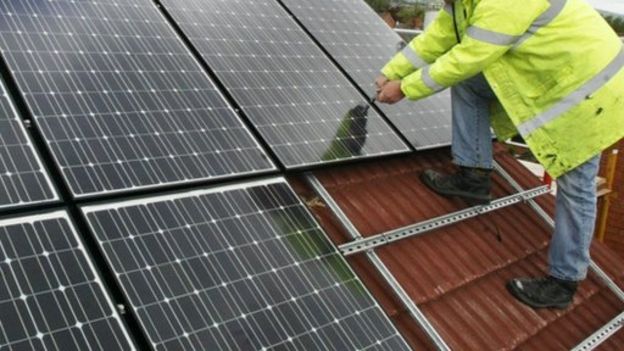
The cost of installing solar panels and the Tesla battery may be too high for many people

Yes. Cost. The price quoted by Tesla does not include installation of the unit. To this needs to be added the cost of installing solar panels to gather energy.

It might take years for the combination of solar panels and battery to pay for itself.

Tesla claims that its batteries could be useful during disasters when power is knocked out for days. However, well-established generator technologies that are powered by petrol or diesel will probably remain cheaper than lithium-ion batteries for some time.

Despite this, Tesla is working to remove one big obstacle which is getting commercial partners aligned to be able to deliver and install the technology in homes.

Is Tesla the only company doing home power storage?

No. Many other companies and nations are keen to find ways to power energy generated from renewable sources. Sometimes this is because the supply of the power from wind, water and the sun can fluctuate - a reliable store will help smooth out the peaks and troughs.

In addition, some sources of renewable energy, such as solar power, are absent when people need power the most - at night. Again, storing power would help solve this problem.

Home storage of power is also getting more interest because in many nations, established electricity generators are slashing the rates they pay customers who provide them with power from the solar panels mounted on the roof of their home.

In the UK, there are several small-scale trials involving a few hundred homes that are based around systems that store power generated from the sun.

Could the battery systems be used in developing nations?

Image Source: bbc.com
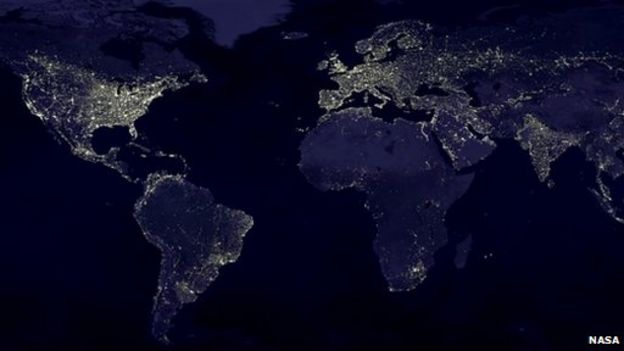
Many regions lack the power infrastructure to keep homes lit at night

Tesla thinks so. However, there can be many reasons why people in such places do not have power. It is not clear that a relatively expensive system such as Tesla's will work well in such locations.

In addition, there are many NGOs and green innovation firms looking at bringing much cheaper, and more robust, power generation systems to developing nations.

What is clear is that although many of these places have an abundant supply of solar power they lack the infrastructure and local expertise that are likely to make the Tesla initiative a success in the US.

Having backed several biotech startups, Janique Goff is an ardent supporter of the development of green technology. Follow her on Facebook for more updates on eco-friendly tech developments.