Showing posts with label environment. Show all posts

Tuesday, August 25, 2015

Mother Nature vs. Tech: How Technology is Affecting the Environment

There is no denying the many positive effects of technology in today's society, and its necessity in people's daily lives has become widespread. As a result, the amount of energy being used increases as technology advances further. This phenomenon raises the question: Do the negative effects of progress outweigh its benefits?

https://dannyking23.files.wordpress.com/2014/03/nature-and-technology1.jpg
Image source: dannyking23.wordpress.com
Benefits of technology

Society today thrives in technology, and it is used in all aspects of daily living. From transportation to business to education, technology has indeed permeated the entire world.

Technology has made everything easier, faster, and more efficient and productive with less effort. Among the most useful devices and gadgets are cars, smartphones and computers, all of which many cannot live without. Even in the household, technology has become essential. Television sets and high-tech appliances (i.e. dishwashers, washing machines, and dryers) have become standard fixtures in most homes.

The downside technology

As much as technology has made human life more convenient, so is its effect on the environment troubling. The mass use of electronics has continually increased energy consumption. The process of energy production is one of the main reasons for air pollution, which will continue to destroy the earth's atmosphere if not remedied. Among other contributors to pollution are greenhouse gases from household products and appliances as well as the smoke and fuel combustion from cars.

http://www.hdrinc.com/sites/all/files/imagecache/medium/content/pages/page-images/5063-hdrs-carbon-footprint.jpg
Image source: hdrinc.com
A lot of human actions contribute to the destruction of Mother Nature but it is not too late to stop it. Find our more ways to help the environment by following Janique Goff on Facebook.

Saturday, March 7, 2015

REPOST: Nature camp offers outdoors adventure for kids

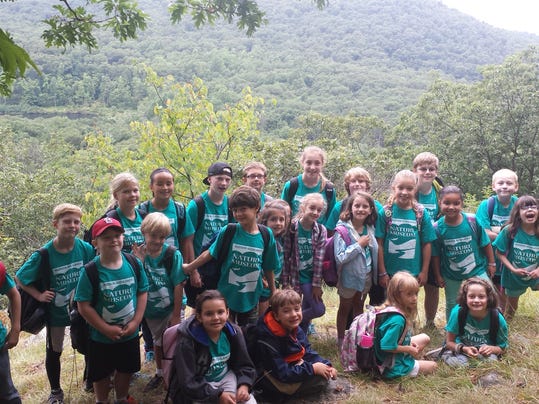
Summer camps teach children a lot about the environment, the crucial role it plays in sustaining life on Earth, and how little things can make a strong impact on the preservation of Mother Nature. Get more insights from the article below:


Campers are shown on one of the many field trips provided by Hudson Highlands Nature Summer Science and Nature Camp | Image source: poughkeepsiejournal.com


Although winter is still weighing heavily in the Hudson Valley, spring will be here before you know it, and it’s not too soon to start planning for summer camp for children and teenagers.

The Hudson Highlands Nature Museum is getting ready for summer campers. The Museum’s Science & Nature Camp, for children ages 4-12, takes place in one-week sessions from June 29 until Aug. 28. There is also a two-week program for ages 13-16. The camp features a bucolic setting, small group size and experienced Hudson Highlands Nature Museum staff.

“We are very excited about this year’s summer camp,” education director Lisa Mechaley said in a written statement. “Our experienced staff members bring great strengths to this program and they enjoy sharing science, nature and the outdoors with children.”

Space is limited and early registration is encouraged. Online registration is available. Early drop-off and late pick-up are also offered. There is a 3 percent discount for those who register before April 3.

Here’s a look at this summer’s programming:

•The Ramblers Program is for children ages 4-6. This program meets in week-long sessions at the museum’s Outdoor Discovery Center. Half-day sessions are offered for children ages 4 and 5 from 9-11:45 a.m. and a full-day program is offered for ages 5 and 6 from 8:45 a.m. to 2:45 p.m. Extended hours and a lunch program for the half-day ramblers are an option. Campers will take part in nature adventures, hikes, crafts, games and music. Every week will include a field trip day to the museum’s Wildlife Education Center to meet live animals and experience its exhibits and trails. Parents provide transportation.

•The Trekkers Program is for children ages 7-12. Campers take part in week-long, adventure programs. This camp takes place at the museum’s Outdoor Discovery Center. One day each week is spent exploring the Hudson River at Kowawese Unique Area in New Windsor and another day on a field trip or hike. Campers meet for a six-hour day (9 a.m. to 3 p.m.) each week and bring their own lunch, bottled water and snack. Extended hours are an option. Transportation is by chartered bus for field trips. Parents provide transportation to local off-site destinations.

•The Eco-Rangers Program is for children ages 13-16 and features two weeks: July 20-24 and Aug. 10-14. Eco-Rangers will start the week with three days of wilderness adventures, including two day-long expeditions kayaking or canoeing, and hiking or participating in a high ropes course. They will complete the week with one overnight stay, sleeping under the stars with a hammock to keep. Dinner, s’mores, ice cream and breakfast are included. This camp takes place at the museum’s Outdoor Discovery Center, 9 a.m. to 3 p.m., Monday-Wednesday; 6 p.m. Thursday to 8 a.m. Friday.

Interested campers can find out more information, become a member or register for camp at hhnm.org and click on “summer camp” or call 845-534-5506, ext. 211.


For more links, news, and insights on environmental protection, follow Janique Goff on Facebook.

Monday, January 28, 2013

Beeware of food supply drop: How bee population decline impacts agricultural yield

Climate change has taken its toll for more than a century now. The past decades may have seen its effects less violently, but the recent natural tragedies suggest that its impact is escalating big time. In fact, it is harming even the tiniest members of the biosphere, fuelling a chain reaction that affects many other forms of human activities particularly agriculture.

Image source: commons.wikimedia.org
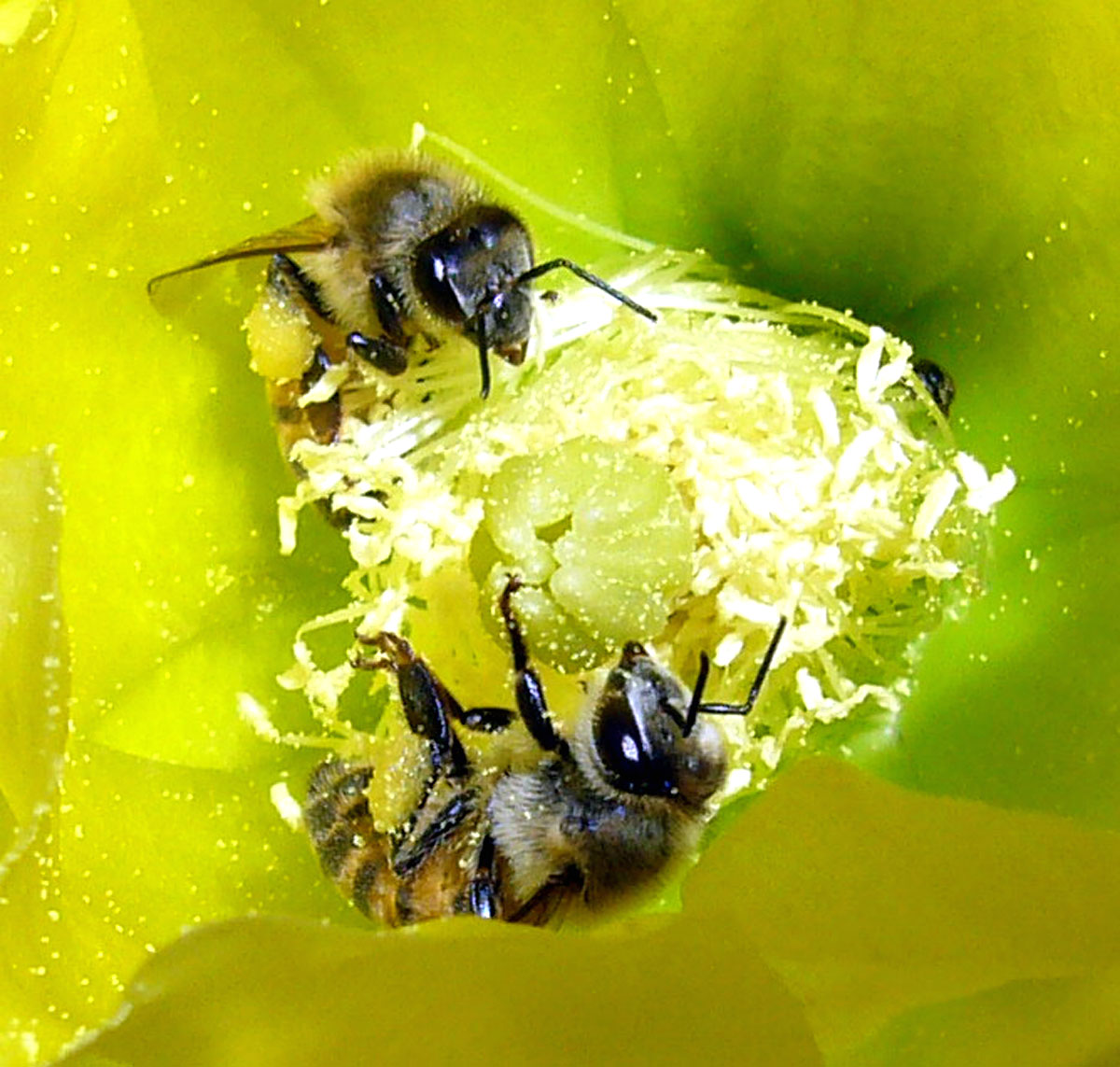
Bees, via pollination, contribute to a sizable crop yield in America. However, their present population has rapidly dwindled as compared to their number more than 50 years ago. The culprit is believed to be climate change and its associated factors, such as diseases spread by parasites and the spraying of crops with pesticides. This ecological catastrophe is plaguing the agriculture sector on a large scale.

Image source: commons.wikimedia.org

Unless immediate actions are taken, food supply in the US can be put in peril. The farmers’ inability to meet production quota can become a permanent dilemma and consequently, shelves in food stalls and grocery stores might become nearly empty. For example, in February 2004, there were inadequate honeybees for all the almond blossoms in California, resulting in farmers failing to meet expected yields.

“There are shortages that pop up from time to time,” says Claire Kremen, a conservation biologist at Princeton University. “Whether there are more [shortages] than there were 20 years ago, one would guess yes, as there are fewer bees to go around, but it's not well documented.”

Image source: commons.wikimedia.org

While honeybees are not yet totally extinct, it is better that everyone helps in fighting the many ill industrial activities of man that possibly cause the insects’ population decline. People should also help expand green horizons through reforestation and increase the production and use of renewable energy. Small contributions can make a huge difference.

Janique Goff is an active supporter of programs and causes that gear toward eco-preservation and sustainable development. This blog provides more information about her advocacy for nature.

Wednesday, December 26, 2012

A greener future from the concrete jungle

When asked what an environmentally friendly human settlement would be like, the last image that anybody thinks would be a large city. Combining the swelter of the urban heat islands with the pollution emitted by vehicles and factories, the city is as far from the typical person’s vision of the environment.

Janique Goff - greener future
Image credit: packworld.com

However, many ecologists believe that densely populated cities are, when planned properly, far more beneficial to the environment than they let on. This is because a densely populated city is more contusive to the use and development of public transportation such as buses, trains, and rapid transit systems, which, when combined with transit-oriented development, can cut down on commute times. Moreover, city dwellers tend to live in smaller homes, which need less energy to cool and heat.

This also reduces carbon dioxide emissions and cuts back on air pollution, assuming that its growth could be controlled. Large cities in places like Europe and North America tend to have smaller carbon footprints.

Janique Goff- urbanization
Image credit: georgetownclimate.org

The main hindrance to the benefits of urbanization is uncontrolled and poorly planned growth, which usually takes place in developing economies like those in Asia. In some places, the growth of the urban population far outpaces the capacity of the municipal governments to provide basic utilities, let alone proper planning.
For urbanization to be ultimately beneficial, it must be intelligently managed. Doing so would reduce its environmental impact while providing for the needs of its residents in an efficient, effective manner.

Janique Goff- proper urban management
Image credit: citiesrt.org

More on the environment and green technology can be accessed on this Janique Goff blog.