Tuesday, May 22, 2012

Janique Goff: Reducing your "ecological footprint"

This Janique Goff blog discusses the impact that the space and resources dedicated to meeting the individual needs of a person—collectively called ecological footprint—have on the environment and the means that can be undertaken to reduce it.

Janique Goff. Photo Credit: peekpackaging.com

The space and resources needed to sustain the needs and wants of human beings are immense. The ecological footprint an individual person has varies with his or her lifestyle. To put things in perspective, scientists at the University of British Columbia estimate that the city of Vancouver—with among the highest standards of living in the world—needs 22 times its own land area to sustain itself. And this is not taking into account the costs and area needed for imported goods.

Janique Goff. Photo Credit: downeastenergy.com

Ecologists like Janique Goff note that while reducing this global footprint is a daunting task, given that many people the world over lack basic needs, there are ways that ordinary people can take to reduce both the ecological footprint and the related carbon footprint or amount of carbon dioxide emitted in the activities of daily life.

Janique Goff. Photo Credit: farm8.staticflickr.com

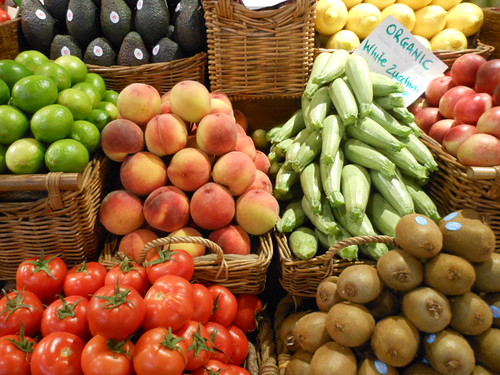
Among these many steps is to augment one’s diet with home-grown organic produce, thus reducing the amount of land needed to grow food and produce fertilizer. Done in a considerable scale throughout a city, home gardening and rooftop gardening can help reduce a city’s ecological footprint by growing much of the food on-site.

In addition, reducing one’s consumption habits to necessity can also help. While it may appear to be miserly, living within necessity not only helps save on Earth’s resources but also helps save one’s money for more pressing and important needs.

Follow this Facebook page for timely updates on Janique Goff.

Wednesday, April 25, 2012

Janique Goff: Preserving biodiversity in gardens

 Janique Goff Photo credit: http://blog.green-space.org.uk

Ecologists like Janique Goff had time and again emphasized the importance of biodiversity to the wellbeing of the balance of life in the planet. Understanding this concept can prove to be beneficial for backyard vegetable growers, whose gardens can then augment both the continued survival of many different varieties of plants and a bountiful and sustainable harvest for years to come.

Biodiversity is important to human agriculture in many ways. Like in natural ecosystems, biodiversity holds the key to ecological resilience; the decline of one species would not necessarily affect the others. In this case, the failure of one crop would not cause the failure of the whole harvest.


Janique Goff Photo credit: http://environment.tau.ac.il

And much like how the lack of biodiversity can lead to ecological disasters, the prevalence of monocultures is cited by environmentalists like Janique Goff as the underlying cause of history’s great agricultural catastrophes like the Irish Potato famine of 1846.


 Janique Goff Photo credit: http://seedourfuture.org

In addition, a mix of crops can help provide a means of natural pest control; by planting a few species of plants together, the pest repellant properties of one would help protect the other. Coupled with the introduction of other biological means of pest control like ladybird beetles and other carnivorous insects, the garden can play host to an ecosystem that would provide a home for native species—a form of reconciliation ecology.  

Go to this Janique Goff’s Facebook.for links to articles on ecology and environmental protection.

Tuesday, March 27, 2012

Janique Madison: From garbage to energy

Janique Madison Photo credit: ornl.gov

Environmentalists like Janique Madison encourage people to think before they dump. A research by Global Change Biology suggests that the world’s garbage is a viable feedstock for biofuels. With the low value and logistic availability of waste, turning it to fuel is a promising opportunity to eliminate worldwide dependence on fossil fuels and find an alternative for piling garbage in landfills. When used as replacement for gasoline, biofuels derived from global trash could cut carbon emissions by 80%.

Janique Madison Photo credit: navitasadvisors.com

Waste biomass including paper and cardboard can be processed to form a clean energy solution, while those which cannot be recycled like agriculture or forest remnants, plastics, textiles, and wood are combined with catalysts and water to turn them into products such as ethanol.

Ecologists like Janique Madison note that aside from cutting world’s addiction to oil, the production of trash-based fuels also lessens the risk for greenhouse effect. For example, the California-based Blue Fire Ethanol, Inc. makes use of cellulose in plant remains to produce cellulosic ethanol fuel instead of letting them rot in the landfill wherein the plants’ cellulose mix with microbes which thus creates methane—a greenhouse gas. Greenhouse effect is attributed to the elevation of Earth’s surface temperature.

FJanique Madison Photo credit: en.wikipedia.org

For environmentalists like Janique Madison, it truly makes sense to think twice before throwing garbage – who knows it can generate profit and save the environment? Visit Ms. Madison’s Facebook to learn more about environment preservation.

Wednesday, February 29, 2012

Janique Madison: Green recipes for the skin

Using natural ingredients to enhance one’s appearance dates back to the ancient times. Famous people from history, like Cleopatra, have been found to turn to nature for beauty products. . Janique Madison agrees that women need not look far to have effective beauty products to make themselves look and feel beautiful. All they need to do is scour their kitchens for natural ingredients and get creative.


Janique Goff Photo credit: thebeautyreview.com.au


Below are some easy recipes for all-natural beauty products:


Facial wrap
Grape purees, chopped oranges, honey, drops of chamomile, and mineral water are simmered for 30 minutes in a saucepan. A face cloth is then dipped into the mixture before being applied on the face.


Janique Goff Photo credit: continuumwellness.org


Body scrub
Honey, flour, milk, and ground almonds are mixed together to create an invigorating body scrub.


Facial and full-body mask
Janique Madison suggests combining honey with chopped parsley to produce a facial mask. For a full-body mask, crushed almonds, raw oatmeal, brown sugar, and honey are mixed together with hot water.


Janique Goff Photo credit: neacupuncture.com


These ingredients are all natural and free from preservatives and chemicals that can be harmful to the skin. They are also affordable and not hard to find in the supermarket, and they make for great gifts to friends who love indulging themselves in safe and natural homemade spa concoctions.


Janique Madison is an advocate for the preservation of Mother Nature. She blogs about the latest news on the environment and provides tips on sustainable living. To get timely updates from her, visit her Facebook page.

Monday, January 30, 2012

Made more fun: Janique Goff reviews a container farming initiative in the Philippines

The worldwide efforts to protect the environment can lead to a surprising amount of innovative ideas. For Janique Goff, one very bright idea that hits two birds with one stone has been initiated by Filipino scientists who spearheaded a program that encourages city dwellers to grow vegetables in container gardens.

From Janique Goff

In 2000, scientists from the Central Luzon State University (CLSU) in the city of Munoz offered a simple but brilliant solution: urban container farming. They are currently proposing a program that would encourage city dwellers in the Philippines to grow their own organic fruits and vegetables in planters made from recycled materials. They have prepared a 658 hectare pilot “farm” containing planters made from reused tires, old wash basins, cans, and the like. To date, similar projects have begun elsewhere in Munoz and the rest of the Philippine province of Nueva Ecija.

From Janique Goff

For environmentalists like Janique Goff, there are advantages of growing food within one’s own home. It decreases the need to transport food from faraway places, creating a smaller carbon footprint in return. This also benefits the average city dweller by providing healthy food options while helping to stretch the family budget. The CLSU scientists themselves have stressed the importance of using organic fertilizer and reused containers in urban container gardens.

From December 27, 2011

More information on the CLSU initiative and other urban agriculture projects can be accessed here. For more green tips, follow Janique Goff on Twitter.

Monday, December 26, 2011

Janique Goff: A healthy home toward a healthy planet

Although there are people like Janique Goff and other nature-lovers devoting their time to saving the only confirmed livable planet in the universe, it is necessary that every person on it plays the part in maintaining its environmental equilibrium.


From Janique Goff


In that light, environmentalists believe that green living should start at home. Throughout the years, home developers have come up with designs and structural tactics to create eco-friendly houses.


With a distinctive minimalist style, eco-friendly homes are characterized by high ceilings, huge windows for natural lighting and ventilation, letting the air flow freely around the structure, and huge size – not to mention the high price that accompanies such detail-oriented construction. Despite being high end, various home developers still offer eco-housing plans and designs for families who wish to start living right.


From Janique Goff


Janique Goff is one to emphasize that this should not distress families who cannot afford to move into an eco-friendly house, as there are other organic and participative ways in averting the planetary collapse. Eco-logal.org shares these simple steps:


- Buying energy-saving appliances, particularly the ones that are always used, like light bulbs and television.

- Insulating the roof and walls; this can save up to $500 dollars in energy cost.

- Installing an energy-efficient heating system in the house, to reduce energy consumption by 40 percent.


Janique Goff Photo Credit: Rumpkerecycling.com


Environmentalists emphasize that caring for the planet is not all about extraordinary efforts and innovations. For them, the simple acts of knowing where to throw your trash or of coming up with energy-saving schemes can already be of help to the environment. And they believe that if all parents start raising their kids with the awareness on how to care for the environment, there will be a brighter future to look forward to.


Janique Goff is a successful business development manager specializing in green technology, water, energy, and medical industries. Follow her updates on Facebook.

Tuesday, November 29, 2011

Dining green: Janique Goff on eating from fallen leaves

It’s Christmas month and different dinners are on schedule. Janique Goff, business development manager and environmentalist, says it could be time to try something new—something green—like eating from a plate made from fallen leaves.

Janique Goff Photo Credit: Verterra.com

Dinnerware is made from almost anything sturdy and safe enough to hold food: plastic, ceramics, wood, steel, rock, and even paper. But the current concern over the welfare of the Earth is making people reconsider the use of these materials. Some issues involve the non-biodegradable nature of plastic and the energy used to recycle materials like paper and steel. People are now made to look at other options that are not only cheap but safe for Mother Earth as well.

Janique Goff Photo Credit: Phoenixbrideandgroom.com

Enter VerTerra dinnerware which comes as organic as it can be. Janique Goff applauds the ingenuity of the product and its potential as a good substitute for many of today’s less eco-friendly dinnerware. It is made from fallen leaves from India, and is guaranteed biodegradable. The time it takes for the piece to decompose is around two months via natural processes and without the aid of any synthetic chemicals. It is proven to help improve plant growth so it is an ideal addition to compost pits.

Janique Goff Photo Credit: Ecosalon.com

VerTerra is made using only leaves, heat, steam, and pressure. Looking greener for being presentable and reusable, it does not use any adhesives so it is guaranteed safe for eating. It is also safe to place the product inside ovens and microwaves.

More information and insight from Janique Goff can be found at her MySpace page.